Is Phlebotomy a Good Career? Salary, Job Outlook, and What to Expect in 2026
Is phlebotomy a good career? We train phlebotomists for a living, so you might expect us to just say yes and point you to the enrollment page. But after 25,000 students, we’ve also seen who thrives in this field and who doesn’t — so let us give you the version we’d give a friend, numbers and drawbacks included.
First, the Job Market
The Bureau of Labor Statistics projects phlebotomist employment to grow 7% from 2025 to 2035, much faster than the average across all occupations, with about 18,000 openings a year. That demand makes sense when you think about what blood work actually is: nearly every diagnosis, surgery, transfusion, and annual physical runs through a lab, and every one of those samples has to be collected by a person who knows what they’re doing.
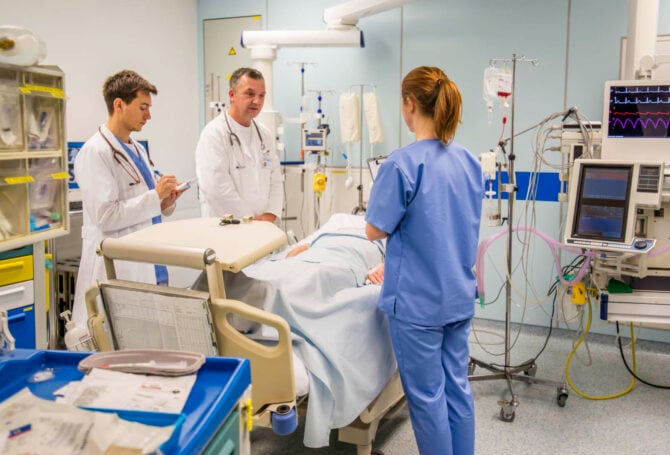
Where those jobs are, per the BLS: hospitals hold about 36% of them, medical and diagnostic labs about 32%, ambulatory services like donation centers about 17%, and physicians’ offices about 8%. That spread is worth paying attention to, because the settings feel very different. Hospital phlebotomy is fast and varied. Lab draw stations are steady and predictable. Donation centers have a community feel that some of our graduates absolutely love. You get to pick.
What the Pay Looks Like
The national median was $45,230 a year — $21.75 an hour — as of May 2025, per the BLS. Where you land against that number depends on your state, your setting, and your shift. Top-paying states like California and Washington run well above the median; hospital and overnight positions usually pay more; and added credentials like IV certification push your value up.
The number that doesn’t show up in salary tables is time. A phlebotomist who trains this spring has two years of raises, experience, and connections by the time a two-year degree program would just be wrapping up. For a lot of people, starting sooner is worth more than starting bigger.
Why Phlebotomy Is a Good Career: The Good Parts
- You can start fast. Accelerated courses like ours run two to three days, and the written certification exam follows shortly after. Here’s how long it takes, in detail.
- You can start cheap. A certificate course costs a small fraction of a degree, which means no years of loan payments hanging over your first job.
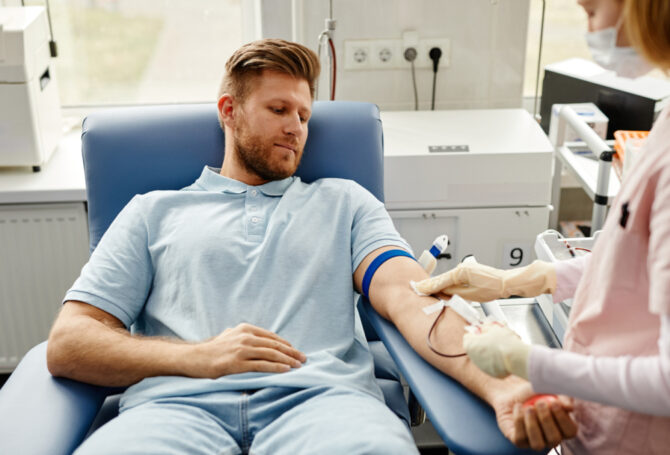
- The work means something. Most patients dread needles. A phlebotomist with good hands and a calm voice turns a bad moment into a non-event, and patients genuinely remember it.
- It travels well. Blood draws happen in every town in America, and national certification moves with you almost anywhere.
- It opens doors. Plenty of nurses and lab scientists will tell you they started with a tourniquet and a butterfly needle. It’s paid clinical experience from day one.
The Parts Nobody Puts in the Brochure
- You’ll be on your feet. A lot. And hospital roles can mean nights, weekends, and holidays.
- Some draws are hard. Rolling veins, anxious patients, the occasional person who faints. Training and repetition handle most of it, but there will be challenging days.
- Entry-level pay is entry-level. It’s honest money for a few days of training, but growing it takes seniority, extra skills, or a move into higher-paying settings.
None of that is a reason not to do it. It’s just the full picture, and you deserve the full picture before you spend money on a course.
Who Does Well in This Field
After years of teaching, we can usually spot it: the students who thrive are the ones who stay calm when something doesn’t go to plan, who notice small details, and who are naturally kind to strangers. Steady hands help, but honestly, hands can be trained. Temperament is the real predictor. If people describe you as reassuring and unflappable, phlebotomy is a good career fit for you.
Where It Can Lead
Some phlebotomists make a career of it and move up to lead tech or supervisor roles. Others treat it as a first rung — adding IV certification, shifting into medical assisting, or applying to nursing programs with real patient experience already on their resume. Both are good outcomes. Either way you’re inside healthcare, earning while you decide. More on career opportunities for phlebotomists here.
Frequently Asked Questions
Is phlebotomy in demand in 2026?
Yes — 7% projected growth from 2025 to 2035, much faster than average, with about 18,000 openings a year from growth and turnover (BLS).
Can you make a living as a phlebotomist?
The median is $45,230 a year ($21.75/hour, May 2025 BLS). Shift differentials, experience, added certifications, and location can all push earnings higher.
Is phlebotomy a stressful job?
Hospital settings can get busy, but much of the work is routine and people-focused. Most stress in this job comes from shaky technique, and that’s fixable with good training.
Is phlebotomy a good career if I want to be a nurse?
Very much so. You’ll earn while you gain patient-care experience, you’ll master a skill nurses use constantly, and it strengthens a nursing school application.
So, Is Phlebotomy a Good Career?
If you want meaningful, stable work in healthcare without years of school first — and you like people — phlebotomy is one of the best value-for-effort paths there is in 2026.
When you’re ready, we’re easy to find: small hands-on classes at 50+ locations, flexible schedules, career guidance included, and lifetime access to your classroom materials. Find a class near you and come see for yourself.